
This isn't EDI.
It's anti-racist practice.
Liz Pemberton works with early years settings, schools and organisations across the UK and internationally embedding meaningful, systemic change.
Who I Work With
I work with organisations across the early years and education system, supporting leaders, teams and communities to embed meaningful anti-racist practice.
-
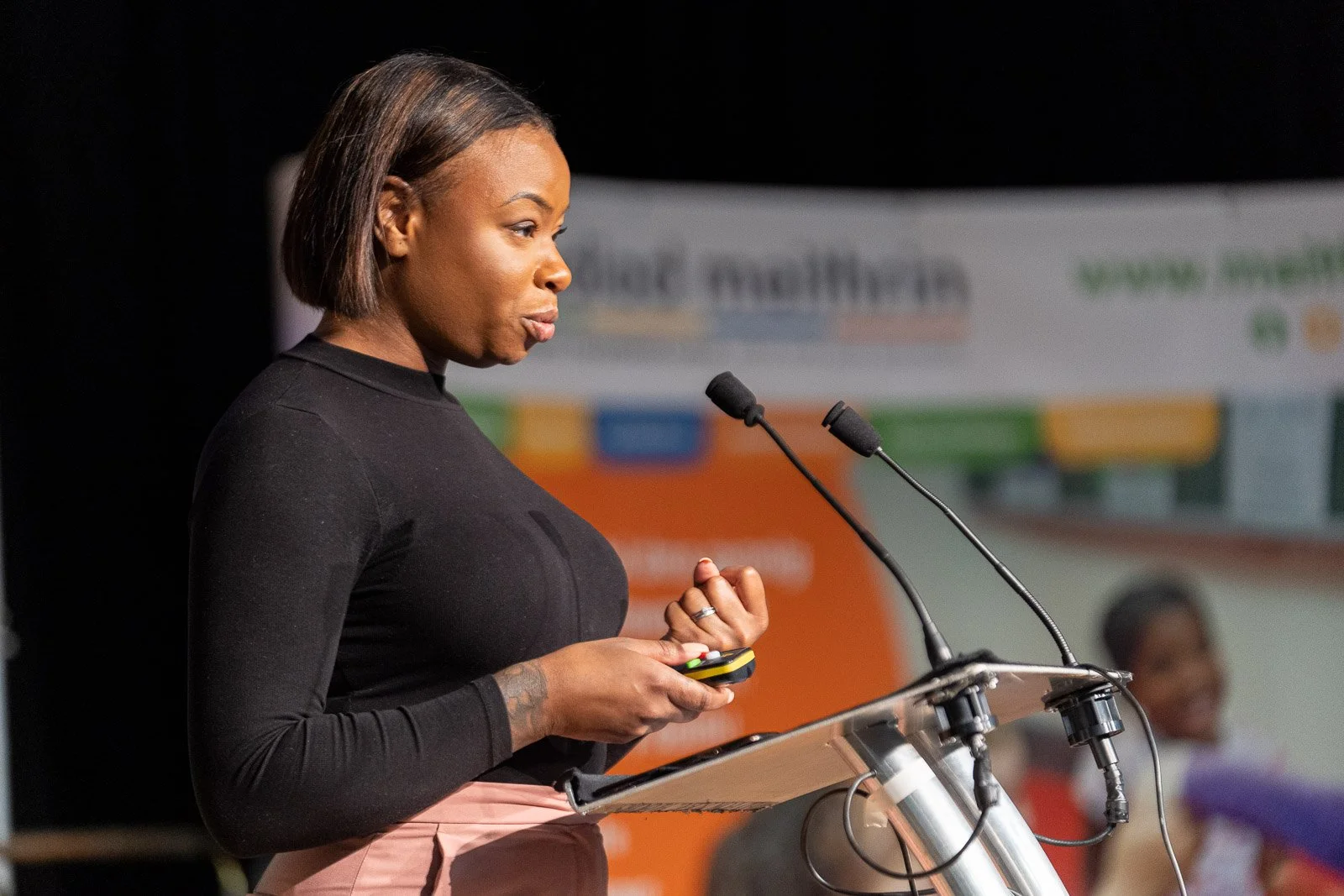
I work with local authorities to build long-term, system-wide approaches to anti-racist practice across early years services, rather than one-off workshops that change little once the day is over. This can include leadership development for early years teams, reviews of policy and guidance, training programmes for PVI settings, schools and childminders across your area, and keynotes for conferences and network meetings.
Longer-term partnerships run across the year with a review point built in, and are grounded in the 4E's of Anti-Racist Practice, so every setting shares a common language and approach.
"Liz is honest, courageous, and unafraid to lean into discomfort, asking the questions that truly matter."
Elaine Taylor-Brown, Early Years and Childcare Improvement Manager, Southend Local Authority
-
For nurseries and pre-schools, I work with whole teams and leaders to embed anti-racist practice into everyday provision: key person relationships, the environment and resources, intimate care including skin and hair care, how adults respond when children talk about skin colour and features, and partnership with families. Support includes training, reflective practice and leadership consultancy.
For childminders, I offer practical training that fits solo practice. It focuses on talking with young children about race and belonging with confidence, choosing resources well, and working in partnership with the families you care for. Childminder networks, hubs and local authorities can book sessions for groups of childminders.
-
I support primary schools and trusts to embed anti-racist practice from nursery and Reception through to Year 1 and Year 2, so it becomes part of the curriculum, environment and everyday adult practice, not something saved for Black History Month or a culture day.
Work usually starts with a staff programme, then moves into leadership support, curriculum conversations, and how adults notice and respond to racist incidents and to children's comments about skin colour and features. I also deliver keynotes for INSET days and trust-wide conferences. As a qualified teacher and former nursery manager, I know the Early Years Foundation Stage and Key Stage 1 from the inside.
-
I collaborate with higher education and training organisations on curriculum, professional learning and sector development work focused on race, equity and early years practice, including keynotes, lectures and consultancy projects.
-
I work with charities and third sector organisations whose work intersects with early years, families and education supporting them to strengthen their approach to anti-racist practice through strategy, learning and organisational development.
-
I deliver keynotes and consultancy for organisations working in or alongside the early years education sector, supporting them to deepen their understanding of racism, equity and systemic change. The aim: moving from intention to action.

Moving Beyond Tickbox “Celebrations”
In many early years settings and schools, work around race and culture often gets reduced to festivals, food days or one-off “celebrations” of difference. Diwali here, Chinese New Year there, and a culture day once a year.
While these moments can be well-intentioned, on their own they rarely lead to meaningful change. They don’t shift systems, they don’t address inequity, and they don’t support children, families or staff to navigate race and racism in real, everyday ways.
My work supports organisations to move beyond this tick-box approach and towards anti-racist practice that is thoughtful, embedded and woven into everyday decisions, environments, leadership and provision and not just on special occasions.
My work is grounded in a clear, practical framework: the 4Es of Anti-Racist Practice. This framework supports early years educators to move beyond one-off activity and towards thoughtful, embedded and sustainable change across leadership, culture and everyday practice.
The 4E’s of Anti-Racist Practice
-
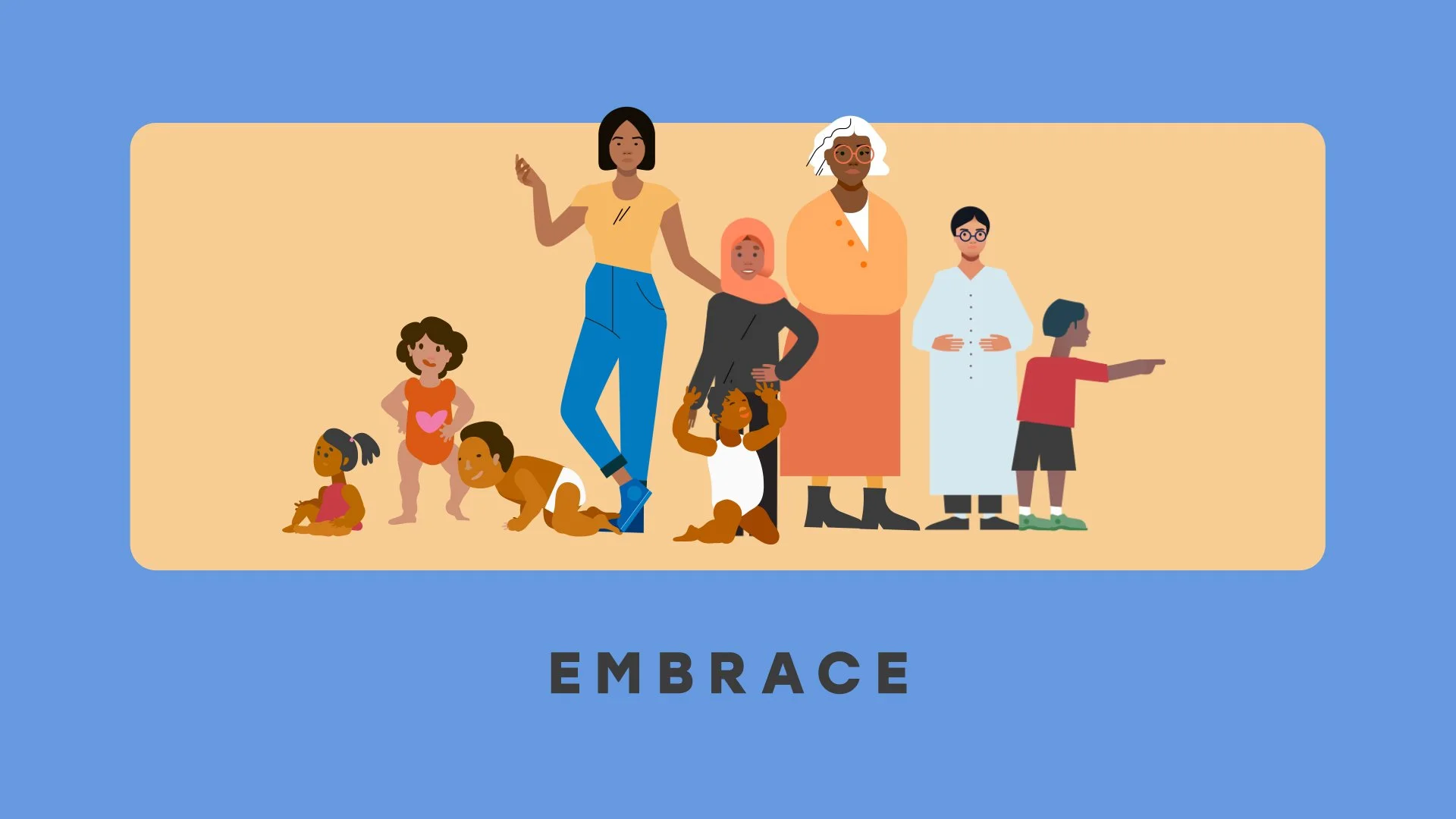
![Illustration of diverse people including children and adults standing together, with the word "EMBRACE" below, against a blue background.]()
Embrace — all children's racial, cultural and religious or non-religious backgrounds.
-
![Illustration of diverse children with a woman, some children are sitting and others are standing, on a light green background with the word EMBED below.]()
Embed — a culture of belonging and value across early years educators and children.
-
![Illustration of three people sitting at a table with a dog, one person talking, two listening, a plant in the background, and a dinosaur toy on the floor.]()
Ensure — your practice is culturally sensitive.
-
![Illustration of two people discussing ancient pottery, with four different pottery designs in the middle, and the word 'EXTEND' below.]()
Extend — learning through interest, conversation and culturally relevant resources.




About me
I’m Liz Pemberton, Director of The Black Nursery Manager and a leading voice in early years anti-racist practice in the UK.
I’ve spent over 20 years working across education, as a teacher, nursery manager and consultant, and today I work in partnership with organisations across the sector to support meaningful, systemic change.
My work is practical, honest and deeply grounded in the realities of early years practice, leadership and organisational culture. I combine strategic thinking with clarity, warmth and humour — because this work needs to be human. It's rigorous, accessible, and grounded in real practice.
My work has been recognised beyond the sector. I was named one of the Black Cultural Archives’ 40×40 Future Leaders, featured in the BBC documentary: Will Britain Ever Have a Black Prime Minister?presented by David Harewood, was a Nursery World Trainer of the Year nominee, and I’m a contributing author to the book Let’s Talk About Race in the Early Years edited by Dr Stella Louis and Hannah Betteridge. I’m also a Patron of Inclusive Books for Children, and I work nationally and internationally with early years organisations, leaders and teams who are serious about embedding anti-racist practice in meaningful, lasting ways.
Trusted Across the Sector
Anti-Racist Practice
~
Early Years Expertise
~
The 4E's Framework
~
Practical. Honest. Transformative.
~
Systemic Change
~
Anti-Racist Practice ~ Early Years Expertise ~ The 4E's Framework ~ Practical. Honest. Transformative. ~ Systemic Change ~
Let’s Work Together
If you’re ready to move beyond surface-level approaches and start building meaningful, lasting anti-racist practice across your organisation, I’d love to hear from you.
Whether you’re looking for a keynote, a longer-term partnership or something in between, the next step is simply to start a conversation.